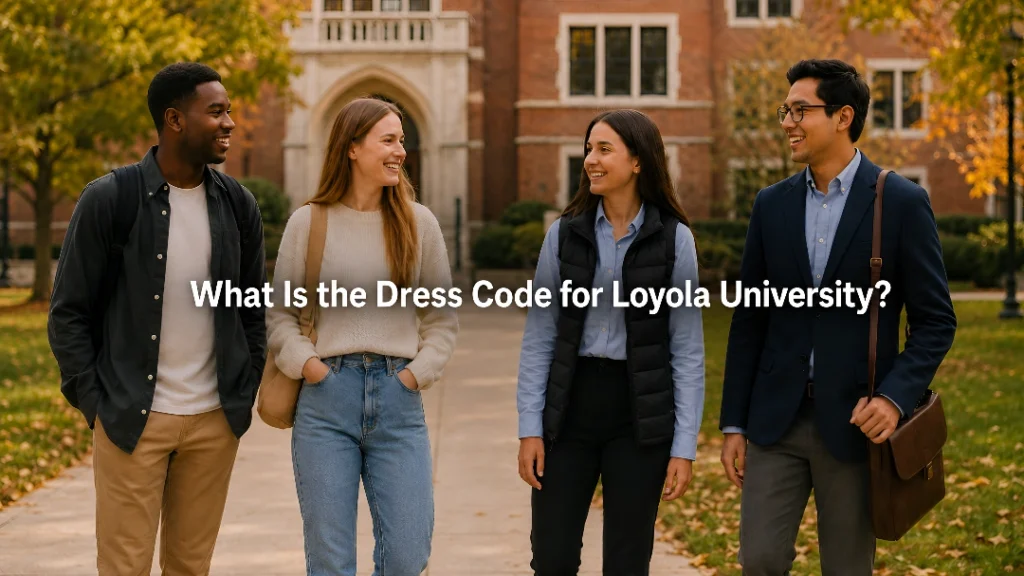
Loyola University is celebrated for its inclusive academic environment and Jesuit values. But if you’re new to the campus, you might ask: “What is the dress code for Loyola University?” While there’s no formal uniform, Loyola encourages students to uphold a sense of professionalism, respect, and comfort in their appearance.
Understanding the guidelines for student dress helps you feel more confident, make a strong impression, and align with Loyola’s values of academic integrity, inclusivity, and mutual respect.
myLoyola is a free online patient portal provided by Loyola University Health System (LUHS). It allows patients to securely access, manage, and share their health information online through any web browser or mobile device.
Why Dress Codes Matter in Educational Institutions
Before diving into Loyola’s approach, it’s essential to understand the purpose of a dress code in higher education:
- ✅ Promotes a Professional Environment: Appropriate attire sets the tone for academic seriousness.
- ✅ Encourages Self-Respect and Courtesy: Dressing with respect reflects positively on yourself and the campus community.
- ✅ Builds Life Skills: It prepares students for real-world expectations like interviews and workplace culture.
- ✅ Reduces Distractions: Modest and appropriate dress creates a focused learning environment.
Loyola University Dress Code: The Essentials
Is There a Strict Dress Code at Loyola?
No, Loyola University does not enforce a rigid dress code or uniform. However, it strongly encourages students to dress in a manner that reflects professionalism, respect, and inclusivity.
Whether you’re heading to class, attending a formal event, or participating in a career fair, Loyola expects your attire to be suitable for the occasion.
General Dress Code Guidelines at Loyola
Loyola encourages a “professional casual” dress culture. This allows flexibility while maintaining decorum.
| Category | Recommended Attire |
|---|---|
| Tops | Polos, button-down shirts, sweaters, t-shirts (no offensive graphics or slogans) |
| Bottoms | Jeans (neat, not distressed), khakis, skirts, dress pants |
| Footwear | Sneakers, flats, loafers, sandals (clean and appropriate for walking or events) |
| Accessories | Minimal and tasteful jewelry or accessories |
Casual Daily Wear on Campus
Students are allowed to wear casual outfits, especially for regular classes or activities such as:
- Comfortable t-shirts and jeans
- Hoodies and campus gear
- Sneakers or sandals for long walks
- Weather-appropriate layers
📌 Important Note: T-shirts or clothing with offensive language, symbols, or inappropriate images are discouraged.
Business Casual for Professional Events
Certain university events demand a step up from casual wear. Here are some examples of business casual attire:
| Occasion | What to Wear |
|---|---|
| Career Fairs | Dress pants or skirt, button-down shirt or blouse, closed-toe shoes |
| Guest Lectures | Polo or collared shirt with neat jeans or slacks |
| Presentations | Business casual is ideal — you are representing your group or research |
| Interviews/Internships | Blazer, formal shoes, dress shirt, modest skirt or dress |
Formal Events and Ceremonies
For graduation, award ceremonies, or university banquets, students are encouraged to wear formal attire.
- 👔 Men: Suit and tie, dress shoes
- 👗 Women: Business suit, cocktail dress, formal gown, or traditional attire (as per culture)
These occasions are celebratory and ceremonial — dressing well shows your appreciation and respect for the event.
Cultural and Religious Dress Considerations at Loyola
Loyola proudly celebrates diversity and inclusion. The university recognizes that students from different cultures or religions may have unique attire needs.
Examples include:
- Hijabs, turbans, or yarmulkes for religious observance
- Traditional ethnic wear for cultural celebrations
- Modest dress styles based on cultural customs
Loyola’s dress code is inclusive by design, and students are encouraged to express their identities freely and respectfully.
The Loyola Dress Code Philosophy
The dress code at Loyola is built on three core pillars:
Professionalism
- Reflects seriousness and academic maturity.
- Essential during networking, public speaking, or official programs.
Respect
- Shows courtesy toward instructors, peers, and campus rules.
- Avoids clothing with offensive slogans or inappropriate messaging.
Comfort
- Promotes student focus and wellness.
- Encourages clothes suited for movement and seasonal weather.
Department-Specific Expectations
Some schools and departments at Loyola may have additional dress requirements, especially in:
- Health Sciences
- Business and Law
- Education
- Performing Arts
Navigate Loyola’s Dress Expectations
Navigating what to wear is easy when you follow these helpful tips:
| Tip | Why It Helps |
|---|---|
| Consult the Handbook | Official student resources may have guidelines for your department |
| Ask Student Affairs | They can offer clear instructions and cultural inclusion policies |
| Observe Peers | Look around during your first week to see what others wear |
| Err on the Side of Polished | Dressing slightly better than too casually makes a good first impression |
| Layer Your Clothing | Campuses are often air-conditioned, so layering is practical |
What Not to Wear at Loyola
Avoid:
- Ripped or distressed clothing
- Inappropriate or offensive slogans
- Sleepwear outside of dorms
- Excessively revealing clothing in class or formal settings
Dress Code FAQs for Loyola University
1. Does Loyola University have a strict dress code?
No, but it follows a professional casual dress culture with event-specific expectations.
2. Can I wear jeans to class?
Yes, as long as they are clean, fit well, and are not ripped or distressed.
3. Are there dress code rules for events?
Yes. Professional or formal dress is expected at career fairs, ceremonies, and presentations.
4. Can I wear cultural or religious attire?
Absolutely. Loyola embraces diversity and allows students to dress in accordance with their cultural or religious beliefs.
5. Is it okay to wear t-shirts and sneakers daily?
Yes, especially for regular class days. Avoid offensive graphics or slogans.
6. Do health sciences or business students have special dress codes?
Yes, some departments expect more business formal or lab-specific attire. Check with your program.
7. Are crop tops or tank tops allowed?
While not outright banned, they should be worn with modesty and awareness of academic context.
8. Can I wear traditional attire from my culture?
Yes. Loyola encourages students to express their identity with pride and respect.
9. Are there seasonal dress changes?
Yes. Dress appropriately for weather, especially in colder cities like Loyola University Chicago.
10. Do I need to wear a suit to my internship interview?
If it’s hosted on campus, business casual is typically fine. Off-campus interviews may require a full suit.
11. Are hats allowed in class?
Hats are usually allowed unless specified by faculty. Religious head coverings are always acceptable.
12. Are there dress codes for dorms?
Dorms are casual, but students should be appropriately dressed in public areas.
13. Are flip-flops or slides okay on campus?
Yes, but not recommended for events or labs.
14. Can I express my fashion style at Loyola?
Yes, as long as it’s respectful and appropriate for the academic environment.
15. Where can I find Loyola’s official dress code policies?
Check the Student Handbook, or consult the Office of Student Life or Student Affairs for the latest guidelines.
Conclusion
To wrap up: What is the dress code at Loyola University? It’s a balanced approach that encourages students to be themselves — while staying respectful, professional, and comfortable.
Whether you’re attending class, presenting at a seminar, or celebrating a graduation, your attire should reflect your intent to learn, grow, and contribute meaningfully to the Loyola community.
Be confident. Be respectful. Be you. That’s the true spirit of dressing at Loyola.