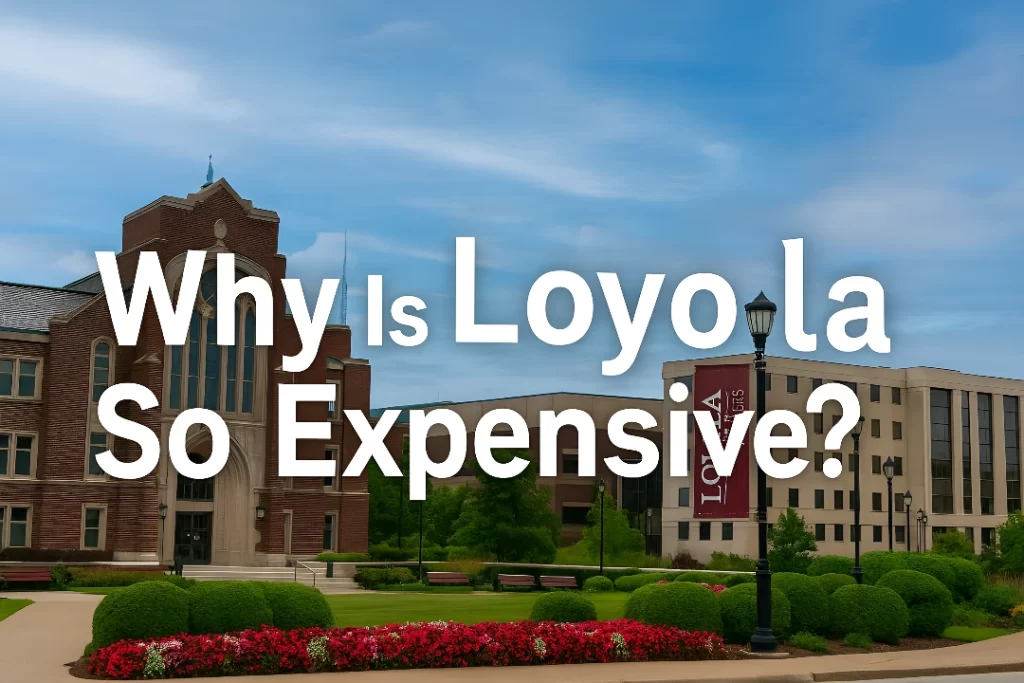
Many prospective students and families find themselves wondering: Why is Loyola so expensive? It’s a fair question—and a crucial one when making a long-term investment in your future.
Loyola University, known for its academic excellence, Jesuit values, and vibrant campus life, consistently ranks among the top private universities in the U.S. But with prestige comes a price. This article explores what contributes to Loyola’s high tuition costs—and whether the investment is truly worth it.
With myLoyola login, you can:
A Breakdown of Loyola University’s Cost of Attendance
Before we explore the why, let’s understand what it actually costs to attend Loyola.
Annual Expenses (Loyola University Chicago Example):
| Cost Component | Estimated Amount (2024–2025) |
|---|---|
| Tuition & Fees | $51,000+ |
| Room & Board | $14,000–$16,000 |
| Books & Supplies | $1,200 |
| Personal Expenses | $2,000+ |
| Transportation | $1,000–$1,500 |
| TOTAL (Approx.) | $69,000–$72,000+ per year |
📌 Note: These costs can vary by program, housing choice, and financial aid.
So, Why Is Loyola So Expensive? 7 Key Reasons
1. It’s a Private University with No State Funding
Unlike public universities, Loyola does not receive government funding for its operations. Instead, it depends on:
- Tuition and fees
- Private donations
- Endowment earnings
This means Loyola must cover all academic, faculty, and campus expenses through its internal resources.
2. Faculty Excellence Comes at a Cost
To deliver a top-tier education, Loyola invests heavily in:
- Highly qualified professors
- Faculty research grants
- Professional development programs
Many faculty members hold terminal degrees and are recognized leaders in their fields—resulting in personalized attention, smaller class sizes, and research mentorship. But this quality doesn’t come cheap.
3. State-of-the-Art Facilities & Technology
Loyola’s campuses in Chicago, New Orleans, and Los Angeles boast:
- Smart classrooms
- Science labs
- Multimedia studios
- Athletic complexes
- Modern dorms
Ongoing maintenance and upgrades require significant investment—factored into tuition and fees.
4. Urban Location = Higher Operational Costs
Loyola’s campuses are in major metropolitan areas, where:
- Property costs are higher
- Utilities and staff salaries are elevated
- Security and campus operations are more complex
Urban access brings value (networking, internships, culture), but also drives up operating costs.
5. Rich Student Life and Campus Services
Loyola offers a full college experience, including:
- Over 250 clubs and organizations
- Leadership development programs
- Counseling, wellness centers, and career support
- Cultural, volunteer, and religious engagement opportunities
These services require ongoing funding—often included in tuition and general fees.
6. Endowment and Financial Aid Allocation
Loyola has a growing endowment, but unlike Ivy League universities with billions in reserves, it must balance operational spending and student aid carefully.
While the university offers:
- Merit-based scholarships
- Need-based financial aid
- Work-study opportunities
It still relies heavily on tuition revenue to support academic excellence and financial sustainability.
7. Personalized Learning Experience
Loyola prioritizes:
- Low student-to-faculty ratios
- Small, interactive classes
- Direct access to faculty mentors
This personalized model offers more academic support—but it costs more than the lecture-hall model used by large public universities.
Is Loyola’s Price Tag Worth It? The Return on Investment
Let’s weigh cost vs. value:
What You Get at Loyola:
| Benefit | Impact |
|---|---|
| Small Class Sizes | Individualized attention and faculty mentorship |
| Jesuit Education Values | Emphasis on ethics, service, and critical thinking |
| Research Opportunities | Hands-on experience in labs, fieldwork, and community projects |
| Global Programs | Study abroad, service immersion, and global networking |
| Career Preparation | Internships, resume help, and strong alumni connections |
Financial Aid: Making Loyola More Affordable
Despite the high sticker price, Loyola’s financial aid program is designed to help students from diverse financial backgrounds.
Types of Aid Available:
- Merit-Based Scholarships
- Automatically awarded based on GPA and test scores
- Can range from $5,000 to full tuition
- Need-Based Aid
- Determined by FAFSA and financial need
- Includes grants, scholarships, and federal work-study
- Institutional Grants
- Loyola-specific programs funded by donors and endowment
- Graduate Assistantships
- Tuition coverage and stipend for research or teaching roles (grad students)
Tuition Transparency: Where Does Your Money Go?
| Category | How Funds Are Used |
|---|---|
| Instruction & Faculty | Faculty salaries, academic research, and curriculum design |
| Campus Operations | Buildings, maintenance, landscaping, utilities |
| Student Services | Career support, academic advising, counseling, disability services |
| Tech & Resources | Online learning tools, libraries, labs |
| Campus Life | Athletics, clubs, spiritual programs, student events |
Frequently Asked Questions: Why Is Loyola So Expensive?
1. Is Loyola more expensive than other private schools?
Loyola is on par with many private universities, though the exact cost depends on financial aid packages and programs of study.
2. Do I have to pay the full sticker price?
No! Most students do not pay full tuition thanks to scholarships, grants, and financial aid.
3. Is Loyola worth the cost?
For many, yes. If you value personalized education, ethical development, and urban career access, Loyola can offer a high return on investment.
4. How can I reduce costs at Loyola?
- Apply for all available scholarships
- Explore work-study and on-campus jobs
- Consider off-campus housing in later years
5. Does Loyola accept FAFSA?
Yes. Loyola encourages all U.S. students to submit FAFSA annually.
6. Is on-campus living required?
Typically, first-year students are required to live on campus, which adds to the overall cost—but also offers a richer experience.
7. Are textbooks included in tuition?
No. Students must budget separately for books and course materials.
8. Can I study abroad without extra cost?
Some study abroad programs are tuition-neutral, while others may involve extra expenses. Loyola’s global office can help you compare.
9. Does Loyola have a payment plan?
Yes. Loyola offers monthly payment plans to help students and families manage tuition costs.
10. What happens if I can’t afford Loyola?
Talk to the financial aid office. Many students qualify for additional aid or alternative funding options.
Final Thoughts
So, why is Loyola so expensive? The short answer: quality, location, faculty, and experience.
But don’t stop at the price tag—look at the value behind it:
- A personalized education experience
- A deep network of alumni and employers
- A mission-driven community focused on ethics and leadership
- A campus located in one of the most vibrant cities in the U.S.
If Loyola aligns with your values, goals, and career path, it may be one of the best investments you’ll ever make.